Some variants adjust how players act, others change the deck, the deal, or even how many winners a hand can produce. The result can feel like the same language spoken with a different accent—familiar, but with surprises.
What counts as a “variant” (and what doesn’t)
A true variant changes gameplay structure: the number of cards, the deck composition, the order of actions, or the way pots are awarded. By contrast, “house rules” like who shuffles, whether you use one or two decks to speed up dealing, or what you call the dealer button aren’t really variants—they’re logistics.
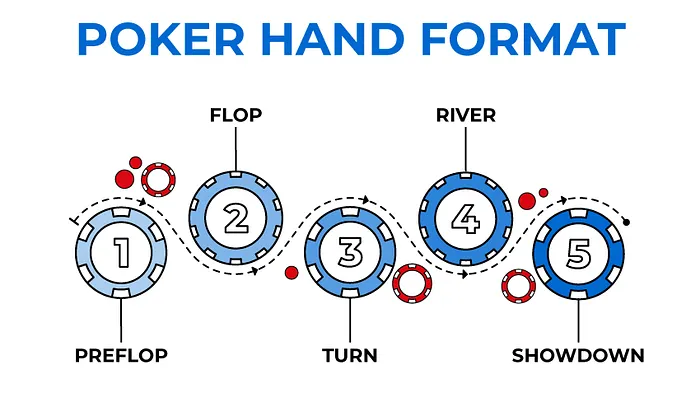
The core Texas Hold’em Rules most people share are still there: two private cards, five community cards, and decision rounds between card reveals. A variant simply changes one or more of those pillars in a consistent, agreed-upon way.
Betting structure variants: same cards, different pressure
One of the most common forms of variation isn’t the cards at all—it’s how action sizes work. You’ll hear these three terms constantly:
-
Fixed Limit: action sizes are capped at preset increments.
-
No Limit: a player can commit any amount up to their full stack of chips.
-
Pot Limit: the maximum raise is tied to the current pot size.
Even if you’re playing casually for points or tokens, these structures change the “shape” of a hand. Fixed Limit tends to keep more players involved longer. No Limit creates bigger moments faster. Pot Limit sits in the middle and rewards people who track pot size well.
A small practical note: if your table doesn’t agree on minimum raises and re-raise rules before you start, this is where confusion begins—especially in No Limit.
Deck and hand-ranking variants: when the math changes
Some of the most interesting Hold’em spins change the deck itself. That sounds minor until you realize it changes how often hands occur.
Short Deck Hold’em (often called 6+ Hold’em) removes the lowest ranks (commonly 2 through 5), leaving a 36-card deck. With fewer cards, big hands appear more often, drawing odds shift, and some rulesets adjust hand rankings (in many versions, a flush can rank above a full house, because flushes become rarer). If you’ve only ever played full-deck Hold’em, Short Deck feels like a faster, more collision-prone cousin.
Because ranking adjustments can vary by group, this is one variant where you must confirm the ranking order before the first hand is dealt.
Extra-hole-card variants: Pineapple and its cousins
Another family of variants keeps the community cards the same but alters what players hold.
Pineapple Hold’em deals each player three private cards instead of two. The twist is timing: depending on the sub-variant, you discard one private card either before the flop or after the flop. That one change creates a different rhythm: early streets have more potential, then the game “tightens” after the discard.
A close cousin is Crazy Pineapple, where the discard typically happens after the flop, meaning players see three-card possibilities collide with the first three community cards. It’s a simple rules tweak with a big effect: more drawing and more “nearly had it” moments.
Board variants: when one runout becomes two stories
Some groups prefer variants that reduce the sting of a single unlucky runout by using multiple boards.
Double-Board Hold’em (and related “run it twice” styles) deals two separate community boards from flop to river. Players usually compete for two halves of the pot—one for each board—using the same private cards. It rewards hand strength that can perform across different textures, and it changes how people value risk, because one strong hand can win one board while losing the other.
This format is also popular in friendly settings because it keeps more people emotionally engaged: even when one board goes bad, the other can still offer hope.
Speed and format variants: the clock changes everything
Not every variant is about cards; some are about time.
Turbo formats reduce decision time and increase blind pressure quickly (even if the “blinds” are just point markers). Shootout formats change table flow by advancing winners. Short-handed games (like 3–4 players) aren’t a separate variant by definition, but they play like one because hand values and position dynamics shift dramatically with fewer seats.
If your goal is learning, slower formats are kinder. If your goal is energy and momentum, faster formats can be more fun—just expect more mistakes, too.
One subtle “real table” insight beginners miss
Variants don’t just change rules. They change what people notice. In regular Hold’em, beginners often fixate on their two cards and forget that community cards rewrite the hand. In Pineapple, they fixate on the extra card and forget the discard will take it away. In Double-Board, they focus on the prettier board and ignore the other one—then act surprised when they split the result.
The best habit across all variants is the same: pause when a new stage appears, re-evaluate what hands are plausible, and only then decide. That one calm reset prevents more errors than any “advanced strategy” tip.
A Texas Hold’em Rules variant is best understood as a deliberate change to the game’s structure—betting format, deck composition, private-card count, or the number of boards. Once your group agrees on the exact Texas Hold’em for that format before play begins, variants become a clean way to keep the game fresh while staying comfortably familiar.